How to Win at Baccarat House Edge Without the Hype
Practical Baccarat Edge Play for Australian Adults
I sat down with Jane Corrie, a table-games leader with over 40 years across four regions, to talk about how to win at baccarat house edge without the usual noise. She has spent decades running dealers, training pits, and managing shift operations in busy venues, so her read on the game is grounded in what actually happens behind the felt. We spoke on a slow Cairns arvo, the sort of afternoon where the humidity sits heavy and the floor is quiet enough to hear the cards hit the table. Jane reckons most players overcomplicate the maths when the real edge comes from discipline, pace, and knowing which side of the table actually serves them. Her take is not about chasing miracles; it’s about treating the game like a shift you run, not a punt you hope breaks your way.
Understanding the House Edge Built Into Baccarat
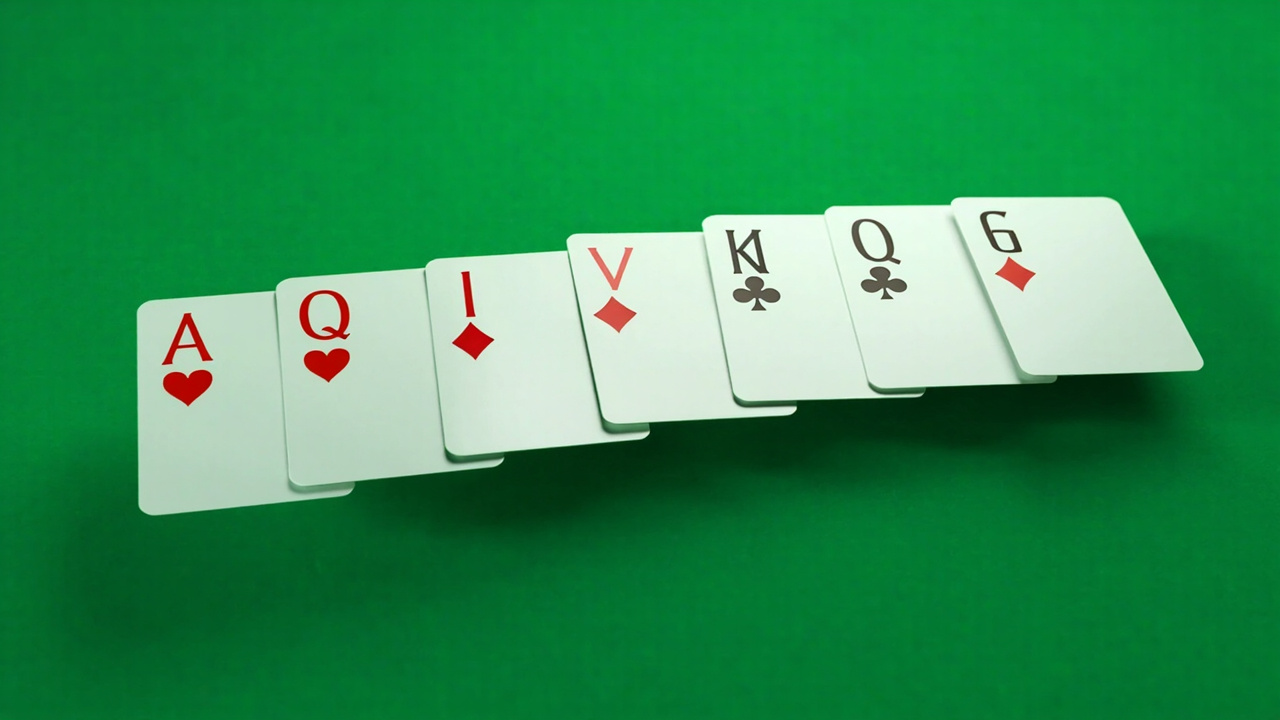
The first thing Jane wants you to hear is that baccarat already carries a fixed edge, and pretending otherwise just burns money. She has watched enough new dealers learn the shoe on a busy Cairns shift to know that the banker bet carries a smaller house edge than the player bet, while the tie wager is a slow bleed dressed up as a big payout. Her judgement call, drawn from years of running training rooms across different regions, is that players who ignore the edge numbers tend to overbet the tie because it looks flashy, then wonder why their bankroll thins out by the end of the session. She tells trainees to treat the edge like a shift budget: you know the cost before you start, so you plan your buy-in around it rather than hoping the shoe will suddenly turn friendly. That mindset matters more than any hustle, because the maths does not care how confident you feel when the cards are dealt.
Using Site Features to Manage Your Edge Better
When you move the same discipline online, the site itself becomes part of your edge management, and Jane sees that as a practical shift rather than a gimmick. She points out that a well-built table games platform lets you track your bets, set limits, and keep the pace steady without the noise of a crowded pit, which is exactly why she recommended checking out jackpotjill-real-money-casino.com for players who want a cleaner mobile setup around baccarat. Her view, built from years of comparing floor operations, is that a site which loads quickly, keeps navigation simple, and lets you move between games without fuss actually supports better decision-making, because you are not fighting the interface while the shoe is running. She also notes that fast, transparent payouts matter when you are managing a session, and players who want to understand how a new online casino handles Neteller payouts at a new online casino should read up before they deposit, because payment timing can affect how you plan your bankroll across a week of play.
Controlling Pace, Bankroll, and Shift Discipline
Jane’s strongest comparison comes from pit management, where a good shift leader knows that pace and bankroll discipline beat hot streaks every time. She has trained dealers to read the table rhythm, and she applies the same logic to players: set a buy-in, decide your stop point before the first card drops, and treat the session like a defined shift rather than an open-ended night. Her rule of thumb, drawn from running busy floors across multiple regions, is that players who chase losses mid-shoe usually lose the plot because they stop playing the edge and start playing the mood. She reckons a calm arvo session with a fixed plan usually outperforms a late-night spin where emotions take over, and she sees no reason that same discipline cannot carry across to online baccarat if you keep your limits visible and your bets consistent. The point is not to outsmart the shoe; it’s to outlast the impulse to overreach.
Mobile Play and Practical Session Habits
Mobile usability matters more than many players admit, and Jane sees it as a real part of edge management rather than a nice-to-have. She has watched enough floor traffic to know that a clunky screen or sluggish load can break your concentration, which is exactly why she values a mobile-first fit that keeps the table readable, the bet buttons clear, and the navigation light enough to use without fiddling around. Her take is that a responsive site which performs well on a phone or tablet lets you keep your session tight, because you are not wrestling with the interface while trying to stick to your limits. She also stresses that support and registration should be straightforward, because a smooth sign-up and clear account settings help you focus on the game itself instead of chasing admin headaches. When the whole setup is built around practical use, you can keep your attention on the bets that actually carry the lower edge.
That kind of hands-on attention is why she checks every platform against a simple checklist, making sure the experience holds up even when the pace picks up. She often points to resources like jackpotjill-real-money-casino.com to compare how different interfaces handle quick taps and smooth transitions under pressure. In the end, a polished mobile setup isn’t just about convenience – it’s about keeping the focus where it belongs, right on the game.
Glossary
- Banker bet: the wager on the banker hand, which carries the lower house edge in baccarat.
- Player bet: the wager on the player hand, with a slightly higher house edge than the banker bet.
- Tie bet: a wager on both hands finishing equal, usually paying more but carrying a much larger house edge.
- House edge: the built-in mathematical advantage the casino holds over the long run. Neteller Payouts at a New Online
- Buy-in: the amount you bring to a session, which should be set before you start playing.
Jane’s final word is plain: treat baccarat like a managed session, not a lucky break, and the house edge stops feeling like a mystery. She has seen enough shifts across four regions to know that discipline, clear limits, and a site that supports steady play will do more for your results than any flashy promise. If you keep your bets aligned with the lower-edge options, watch your pace, and never pretend the maths is on your side, you give yourself a cleaner way to approach the table. That is the practical edge, and it is the one worth carrying into your next session.